Lessons Basket
StoriesMathMapClassroomPricing
StoriesMathMapMy classroomPricing
Lessons Basket

Classroom-ready lessons with printable handouts·Contact

Gabriel Dumont: A Métis Leader's Story

Viewing
Hang Out with Gabriel
Follow the flag
Roll the carts west
Gabriel's Crossing
Grade
K123456789101112
OUTCOMES:
Answer key
Print Follow the flag PDFPrint all PDFs

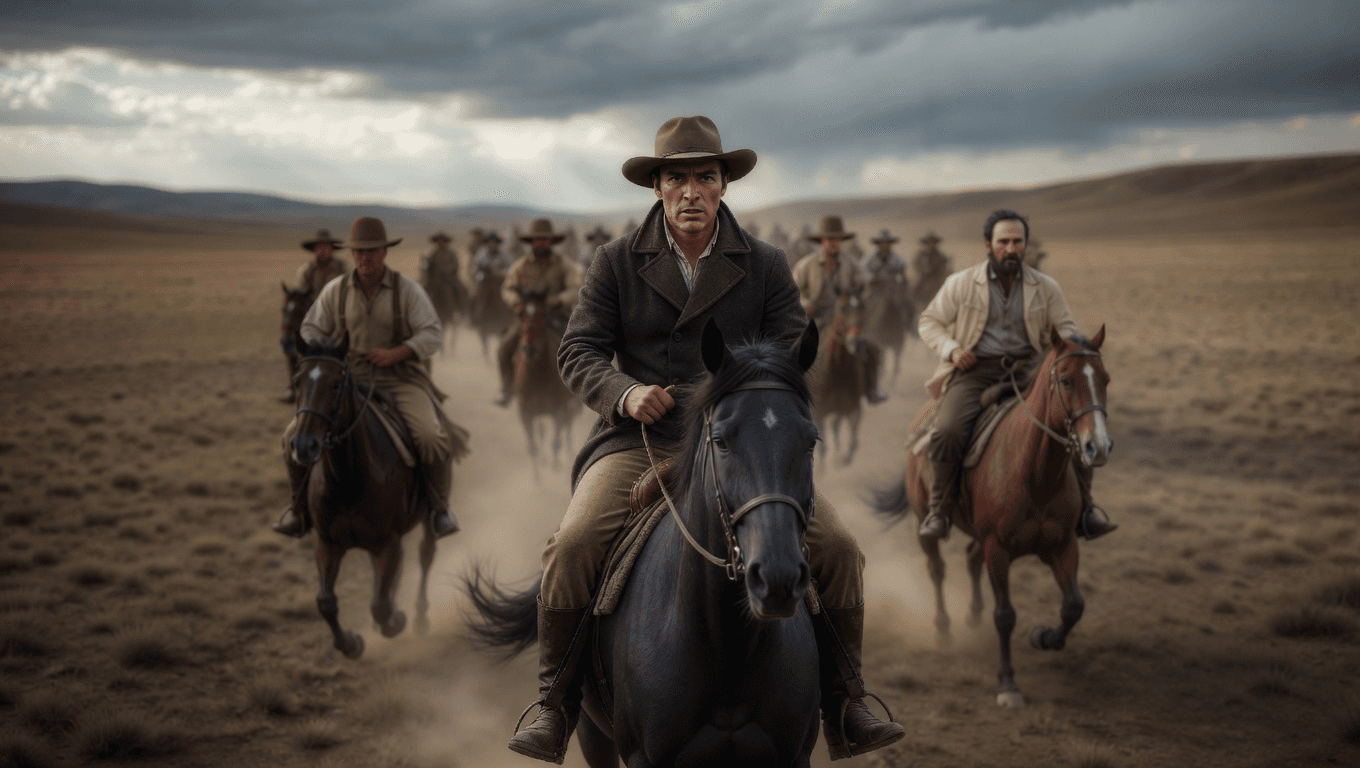
A Métis buffalo hunt was like a moving town. In 1840, about 1,600 people and 1,200 carts left Red River together. When Gabriel was a little boy, his family travelled with big hunts like this.

So many people needed rules, and signals everyone could see. Each day a guide carried the camp flag. Flag up: the camp moves. Flag down: make camp. And nobody ran the buffalo until the captain said "Start!"

Watch the screen and follow the signal. If someone on your team moves the wrong way, your team gets a slip. Fewest slips wins!

The signals

Flag up!

The camp is moving. Walk on the spot and stay in your line!

Flag down!

Make camp. Freeze and crouch down low, like carts in a circle.

Wait…

The captain is watching the herd. Stand tall and still. Nobody runs yet!

Start!

The captain gave the word! Run on the spot as fast as you can.

Real rules of the 1840 hunt

  • Nobody runs the buffalo before the captain gives the word.

  • No group may split off, fall behind, or go ahead without permission.

  • The captains and their soldiers take turns guarding the camp.

  • Break a rule once: your saddle and bridle are cut up. Break it again: your coat is cut up.

From Alexander Ross's account of the 1840 Red River hunt (The Red River Settlement, 1856), reprinted by the Manitoba Historical Society.

Continue to Roll the carts west

More lessons sharing Métis

Poundmaker: Leadership in a hungry spring

Follow one Cree head chief’s choices during the North-West Resistance of 1885—from hunger and fear at Fort Battleford to Cut Knife Hill and a treason trial—using narrative, listening, and document-style reading.

Nations & peoplesCree · Métis
In progress

Subscribe to unlock

Fur trade and early Métis kinship networks

Investigate how labour, family ties, language, and trade routes shaped early Métis communities in the fur trade era.

Nations & peoplesMétis · Cree

Cuthbert Grant and Seven Oaks

What: Grade 4 students meet Métis leader Cuthbert Grant and learn why pemmican mattered, using a short video, maps, and hands-on activities.

How: Watch together with easy pause questions, try the map and pemmican stations, listen and read short passages, choose one representing task, then ask Grant questions as a class.

Why: Métis people are part of Prairie history. Learning this story with care helps us talk about food, travel, and fair treatment without sensational language.

Nations & peoplesMétis · Cree