Reading — Two short texts
Read Passage A and Passage B. Circle one important word in each. Then answer the questions.
Pemmican is dried meat mixed with fat. Métis hunters and traders carried it on long trips. Without pemmican, people and fur brigades could not travel far. In the 1810s, rules about pemmican made life harder for Métis families who needed that food to move and trade.
On June 19, 1816, Cuthbert Grant led a group moving pemmican near the Red River. He tried to send a peace message first. A fight still started at a place called Frog Plain (Seven Oaks). People died on both sides. Later, people used different words for that day — battle, incident, or massacre — and those words change how the story sounds.

Follow one Cree head chief’s choices during the North-West Resistance of 1885—from hunger and fear at Fort Battleford to Cut Knife Hill and a treason trial—using narrative, listening, and document-style reading.

What: You’ll watch a short video about Gabriel Dumont’s life and leadership, ask him questions in a class chat, then work together to line up the big moments of his story in the right order.
When: The 1800s on the Prairies—the places and communities where Gabriel lived and led.
How: Your teacher will pause for questions as you go; you’ll share ideas as a whole class in the chat, then use the drag-and-drop timeline to decide together which event fits each spot on the line.
Why: Métis leadership and community life on the Prairies are part of Saskatchewan’s story—and putting events in order helps you see how the narrative fits together.
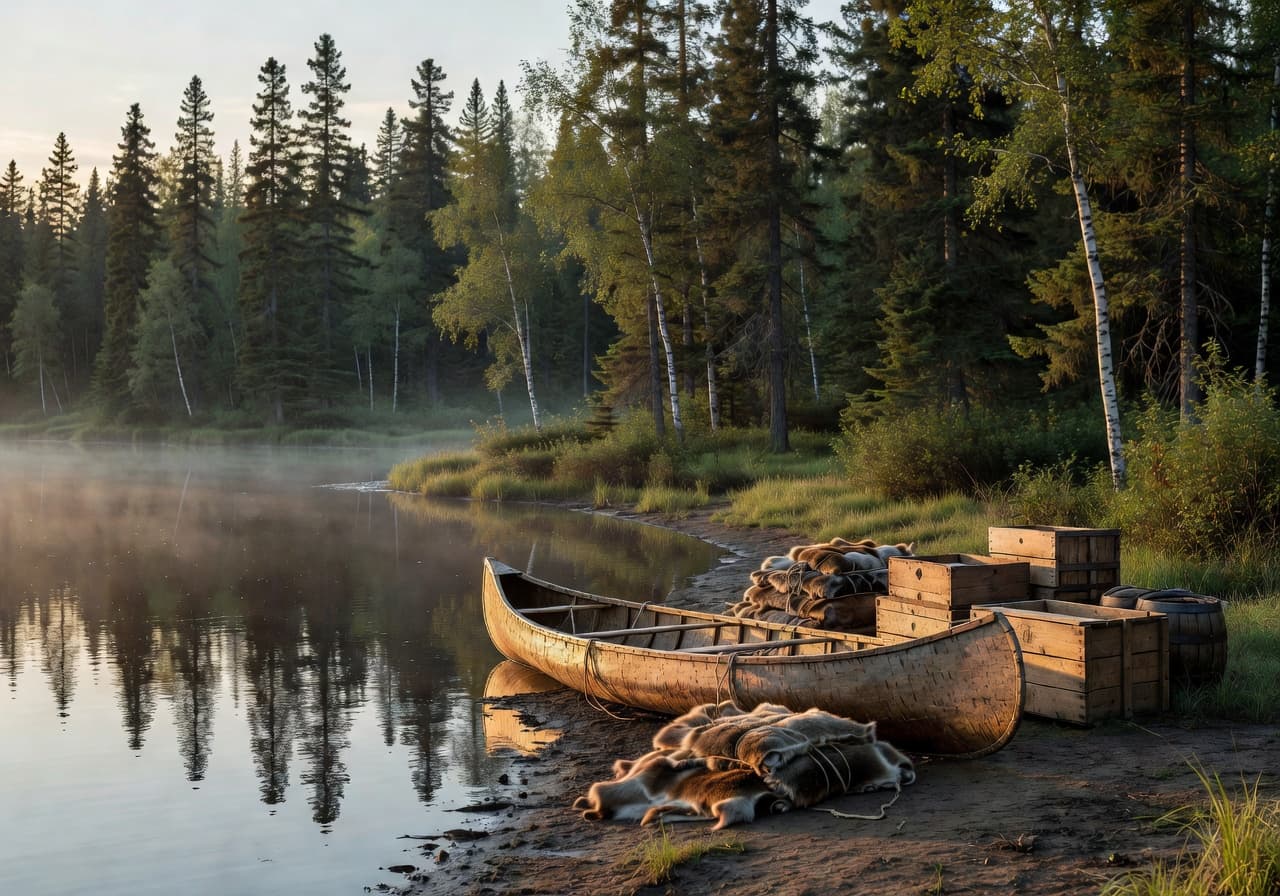
Investigate how labour, family ties, language, and trade routes shaped early Métis communities in the fur trade era.
